
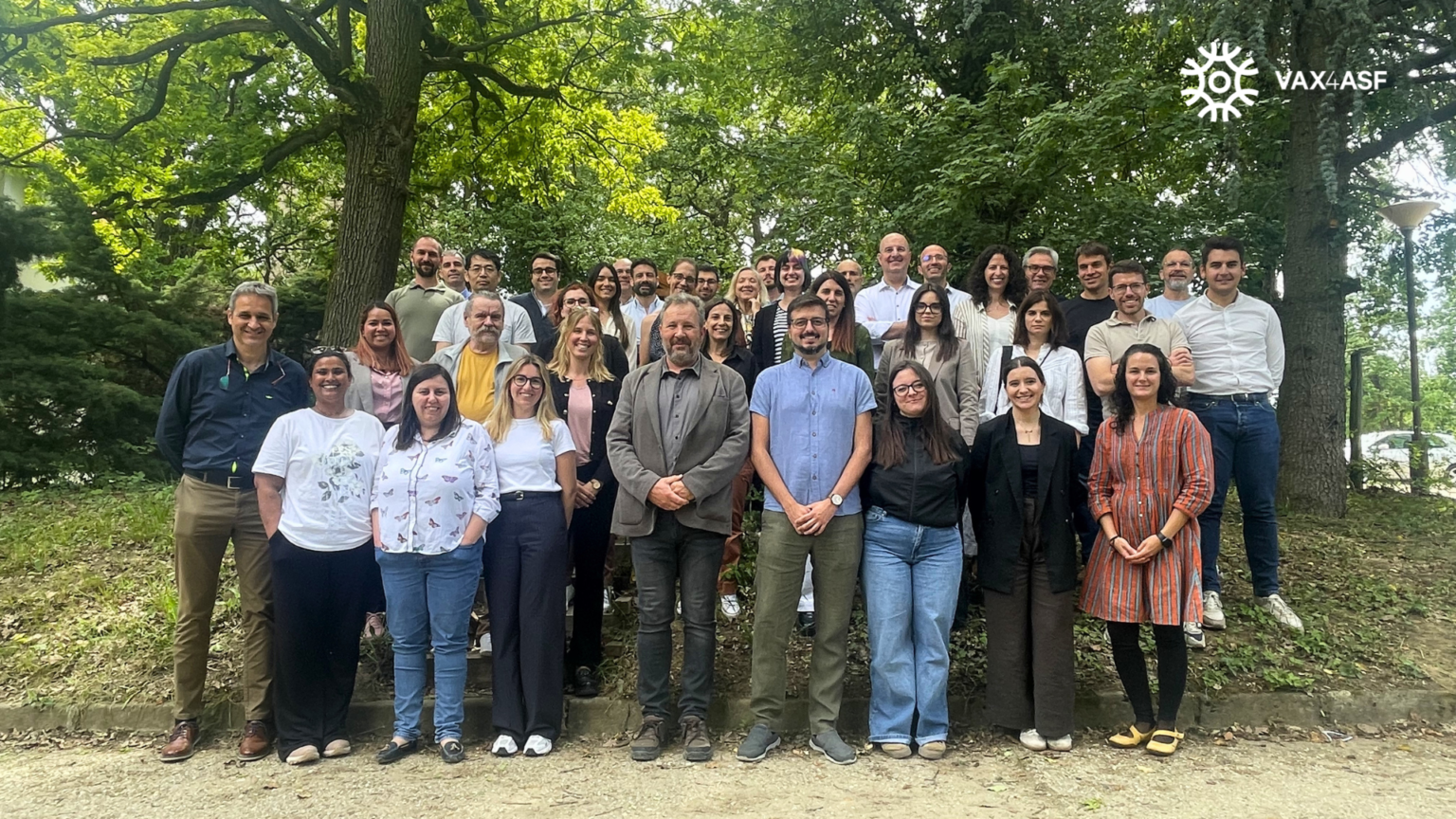
VAX4ASF consortium meets in Hungary to advance understanding of the virus and immune protection.
The European research project VAX4ASF (New Technologies for African Swine Fever Vaccines) has reported new scientific findings that support ongoing efforts to develop vaccines against African swine fever (ASF), following its second General Assembly held on 5–6 May 2026 in Gödöllő, Hungary.
Hosted by the Hungarian University of Agriculture and Life Sciences (MATE), the meeting brought together scientists, industry experts, and stakeholders from across Europe and Africa to review progress and coordinate the next phase of research.
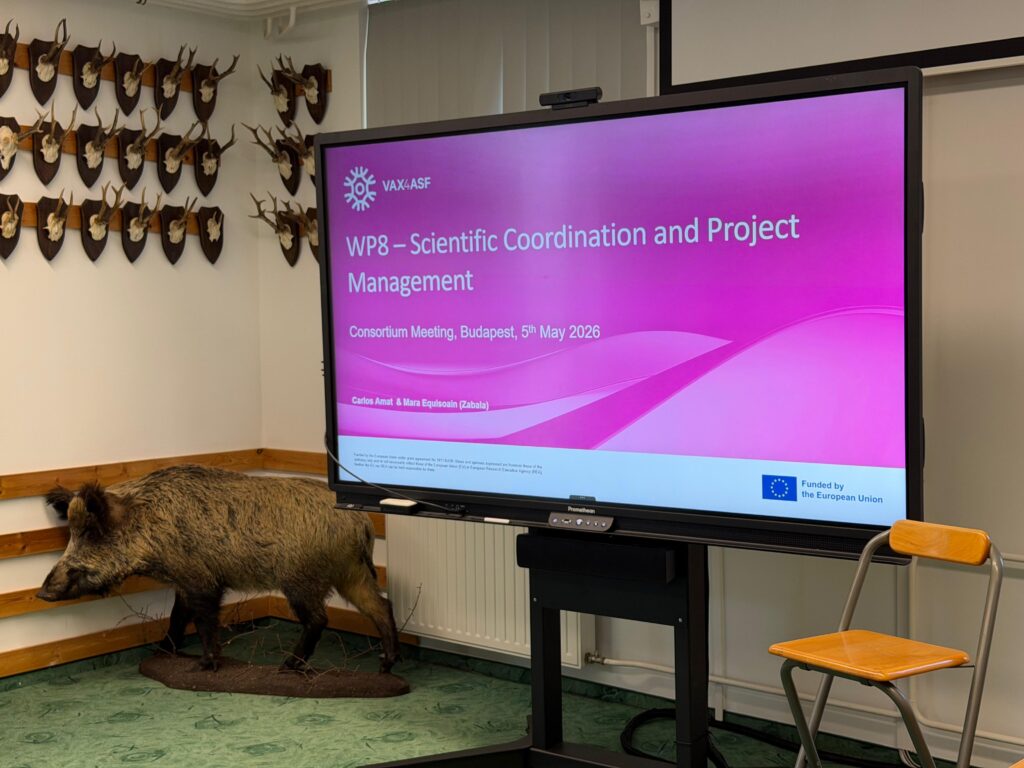


ASF remains a major concern for animal health and the pig farming sector, with no widely available vaccine currently in use. Against this backdrop, the VAX4ASF project is working to improve understanding of the virus and identify strategies that could support future vaccine development.
New insights into how the virus interacts with the immune system
Among the results presented, researchers reported progress in identifying viral genes involved in how African swine fever virus (ASFV) interacts with the host immune response. A group of candidate genes has been linked to the modulation of type I interferon pathways, which are central to the body’s antiviral defence.
Laboratory studies indicate that some of these genes can influence immune signalling, offering new insight into mechanisms associated with viral virulence. This knowledge helps to identify potential targets that may be relevant for the design of attenuated or replication-limited vaccine candidates.
Identifying immune responses linked to protection
In parallel, the project has advanced research into how pigs respond to ASFV following vaccination. By analysing immune responses in experimental studies, scientists identified a range of viral antigens recognised by the immune system, including a subset associated with animals that remained protected after exposure to the virus.
These findings highlight both the breadth and the variability of immune responses to African swine fever virus, underlining the complexity of developing effective vaccines. At the same time, they provide a basis for selecting candidate antigens that could be prioritised in future vaccine design.
Bridging research and future solutions
Together, these results contribute to a more detailed understanding of both the virus and the host response, supporting the project’s broader objectives. VAX4ASF aims to combine this knowledge with vaccine development, diagnostic tools such as DIVA tests, and epidemiological strategies to improve ASF control.
The General Assembly in Hungary also provided an opportunity for partners to align upcoming activities, ensuring that scientific progress is effectively translated into practical applications.
The consortium will continue to build on these findings in the coming months, focusing on further validation and integration of results as part of the ongoing vaccine development process.
“The progress presented during this meeting reflects the strength of collaboration across all the partners from the consortium. By combining expertise from different fields, we are improving our understanding of ASF and supporting the development of future solutions that contributes positively to animal health” – Marta Sitjà from HIPRA, project coordinator of VAX4ASF project
“Bringing the consortium together in Hungary has been an important step in strengthening cooperation and advancing the project. These discussions help ensure that research efforts remain closely aligned with real-world needs” – Dr. Heltai Miklós Gábor from MATE University
VAX4ASF continues to bring together multidisciplinary expertise to address one of the most pressing challenges in animal health, contributing to long-term efforts to improve disease control and support sustainable livestock production.